



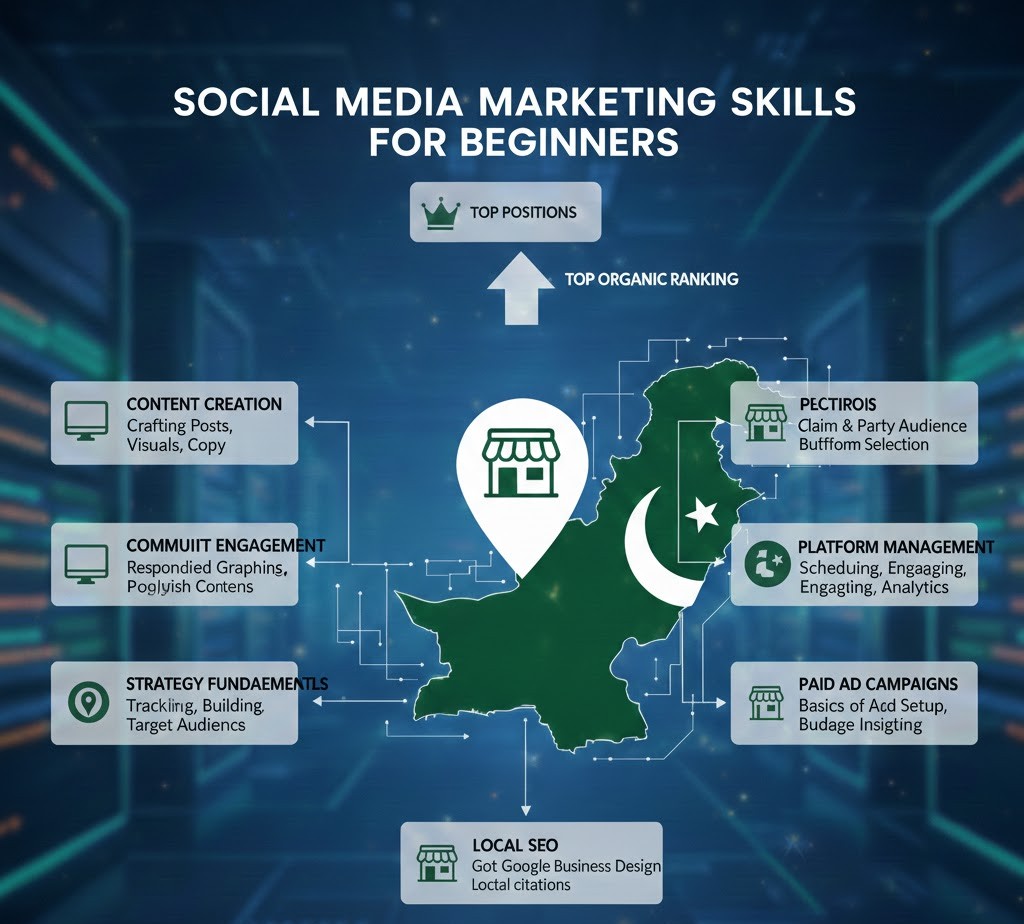
Social Media Marketing Skills for Beginners
Introduction
Scroll through Instagram, TikTok, LinkedIn, or X for five minutes and you’ll see it everywhere: brands telling stories, creators building audiences, and small businesses competing for attention right alongside global companies. Social media is no longer just a place to connect with friends it’s one of the most powerful marketing channels in the world.
For students and beginners, this creates both opportunity and confusion. Everyone talks about “doing social media marketing,” but what does that actually mean as a skill? Is it just posting regularly? Going viral? Running ads? Or something deeper?
The truth is that social media marketing is a structured, learnable discipline. Behind every successful brand account is strategy, data, creativity, and a clear understanding of how platforms and people work together. In this article, you’ll learn what social media marketing really involves, how platforms decide what content gets seen, the core skills beginners should focus on, and how these skills translate into real career opportunities. If you’re starting from zero, this guide is designed to give you clarity not hype.
What Social Media Marketing Really Means (Beyond Posting Content)
At its core, social media marketing is the practice of using social platforms to achieve business or personal goals. Those goals might include:
-
Building brand awareness
-
Driving traffic to a website
-
Generating leads or sales
-
Growing a community
-
Establishing authority or trust
What beginners often miss is that social media marketing is not about random posting or chasing trends blindly. It’s about intentional communication with a specific audience, on platforms they already use, in formats they prefer.
A good social media marketer thinks like a strategist first and a creator second. They ask questions such as: Who is the audience? What problem does this content solve? What action do we want people to take after seeing it? Without these answers, even visually attractive content tends to fail.
How Social Media Platforms Work (In Simple Terms)
Every major social platform uses algorithms to decide what users see. While each platform has its own rules, the underlying logic is similar.
Social media platforms prioritize content that:
-
Keeps users engaged longer
-
Encourages interaction (likes, comments, shares, saves)
-
Matches a user’s past interests and behavior
-
Feels native to the platform’s format
For example, short-form video performs well because it holds attention. Content that sparks conversation is often shown to more people. This is why social media marketing is as much about psychology as it is about creativity.
For beginners, the key takeaway is simple: platforms reward relevance and engagement, not just frequency. Learning how people behave on each platform is more important than posting every day.
Core Social Media Marketing Skills Every Beginner Should Learn
Understanding Your Audience
Before creating content, you need to know who you’re speaking to. This includes:
-
Age range and location
-
Interests and pain points
-
Online behavior and preferred platforms
-
Language, tone, and cultural context
A student marketing a fitness brand on Instagram will speak very differently from someone promoting B2B software on LinkedIn. Audience awareness shapes everything from visuals to captions to posting times.
Content Creation and Storytelling
Content is the visible part of social media marketing, but effective content is rooted in storytelling. This doesn’t mean every post needs a dramatic narrative. It means content should have a clear message and purpose.
Beginner-friendly content skills include:
-
Writing clear, engaging captions
-
Creating simple visuals using basic design principles
-
Understanding short-form video structure (hook, value, close)
-
Repurposing content across platforms
The goal is not perfection. It’s clarity, consistency, and relevance.
Platform-Specific Knowledge
Each platform has its own culture and strengths:
-
Instagram: Visual storytelling, reels, community engagement
-
TikTok: Short-form video, trends, authenticity
-
Facebook: Groups, ads, local communities
-
LinkedIn: Professional content, thought leadership, networking
-
X (Twitter): Real-time conversations, opinions, news
A major beginner mistake is using the same content everywhere without adapting it. Strong social media marketers respect platform differences.
Basic Analytics and Performance Tracking
You don’t need to be a data expert to start, but you do need to understand what’s working and why. Platforms provide built-in analytics that show:
-
Reach and impressions
-
Engagement rate
-
Follower growth
-
Clicks and conversions
Learning to read these numbers helps you make smarter decisions instead of guessing. Over time, this skill separates casual users from professional marketers.
Community Management and Engagement
Social media is not a one-way broadcast channel. Responding to comments, replying to messages, and acknowledging feedback are essential skills.
Community management builds trust and signals to algorithms that your content is valuable. For beginners, this often means:
-
Replying thoughtfully to comments
-
Asking questions in captions
-
Encouraging discussion rather than chasing likes
Paid Social Media Advertising: What Beginners Should Know
While organic content is important, paid social media advertising plays a huge role in modern marketing. Beginners don’t need to master ads immediately, but understanding the basics helps.
Paid social involves:
-
Targeting specific audiences
-
Creating ad creatives and copy
-
Setting budgets and goals
-
Measuring return on investment
Even basic exposure to ads makes you more valuable in the job market. Many brands look for beginners who understand both organic and paid strategies, even at a foundational level.
How Social Media Marketing Fits into Digital Marketing as a Whole
Social media marketing doesn’t exist in isolation. It works alongside:
-
Content marketing (blogs, videos, podcasts)
-
Email marketing
-
Search engine optimization
-
Influencer partnerships
-
Branding and public relations
For example, social media can distribute blog content, support product launches, and retarget website visitors through ads. Understanding this ecosystem helps beginners think beyond platforms and see the bigger picture.
Real-World Examples of Beginner-Level Social Media Success
Consider a student who starts sharing simple educational reels about graphic design. Over time, they learn what topics resonate, refine their editing style, and build a modest following. That audience leads to freelance clients or internship offers.
Or a small online store that consistently posts product tutorials and customer stories. With basic analytics and engagement, the brand grows trust and drives sales without a massive budget.
These examples show that social media marketing success is usually gradual, not instant. Skills compound with practice.
Common Myths Beginners Believe About Social Media Marketing
One popular myth is that success depends on going viral. In reality, consistent, relevant content usually matters more than viral moments.
Another myth is that you need expensive tools or advanced design skills. Many successful marketers started with a phone, free tools, and curiosity.
Finally, some believe social media marketing is easy or not a “real” skill. Anyone who has tried to grow an account strategically knows how much thinking, testing, and adaptation it requires.
Practical Social Media Marketing Skills Students Should Start Learning Today
If you’re just beginning, focus on skills you can practice immediately:
-
Writing better captions and hooks
-
Understanding audience intent
-
Creating short-form video content
-
Analyzing basic performance metrics
-
Studying successful accounts in your niche
You learn social media marketing by doing, not just reading. Small experiments teach more than theory alone.
How Social Media Marketing Careers Are Evolving
Social media roles are becoming more specialized. Instead of one person doing everything, companies now hire:
-
Content strategists
-
Community managers
-
Paid media specialists
-
Social media analysts
-
Influencer marketing managers
For students, this means flexibility. You can start broadly and later specialize based on your strengths. Social media marketing also opens doors to freelancing, remote work, and entrepreneurship.
FAQs: Social Media Marketing for Beginners
Is social media marketing a good career for students?
Yes. It’s skill-based, in demand, and accessible to beginners willing to learn and practice consistently.
Do I need to be active on all platforms?
No. It’s better to understand one or two platforms deeply than to spread yourself too thin.
How long does it take to learn social media marketing?
Basic skills can be learned in a few months, but mastery develops through ongoing practice and experimentation.
Do I need a degree to work in social media marketing?
Not necessarily. Skills, results, and practical experience often matter more than formal education.
Conclusion
Social media marketing is one of the most approachable yet misunderstood skills in digital marketing. For beginners and students, it offers a rare combination of creativity, strategy, and real-world impact. It rewards curiosity, consistency, and a willingness to learn from feedback.
By understanding how platforms work, focusing on audience needs, developing content and analytical skills, and thinking beyond vanity metrics, you can build a strong foundation in social media marketing. This is not about shortcuts or overnight success it’s about developing a skill set that grows with experience.
If you start learning today, experiment thoughtfully, and stay adaptable, social media marketing can become not just a skill, but a long-term career asset in an increasingly digital world.
Tags :
No Tags

0 Comments