


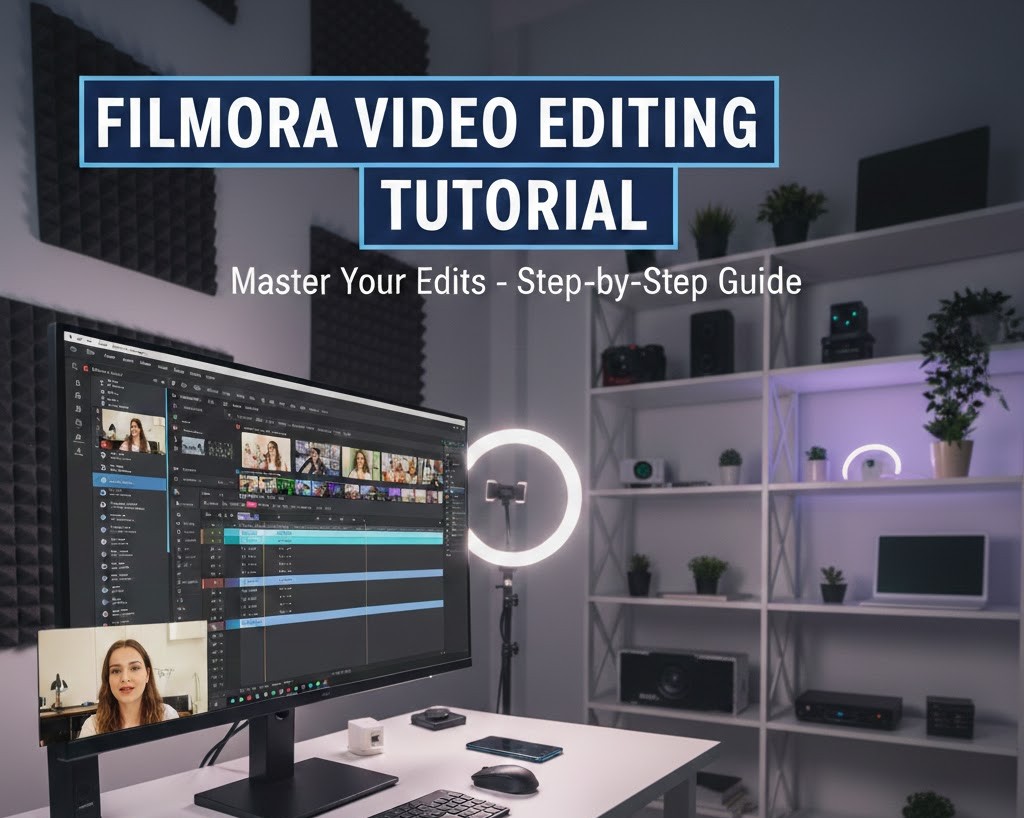
Filmora Video Editing Tutorial
Introduction
Have you ever watched a YouTube video, Instagram Reel, or short documentary and thought, “I wish I could edit like that”? The good news is, you don’t need an expensive studio or years of experience to get started. With tools like Filmora, video editing has become accessible to students, beginners, and aspiring creators around the world.
Video content now dominates social media, online learning, marketing, and even job applications. Students use videos for presentations, small businesses rely on them for promotion, and creators build entire careers through engaging content. Learning video editing is no longer just a hobby; it’s a practical, future-ready skill.
This Filmora video editing tutorial is designed to guide you step by step, even if you have never edited a video before. You’ll learn what Filmora is, how the editing process works, how to use essential tools, and how to develop real-world editing skills. By the end, you’ll feel confident enough to create clean, polished videos for school, social media, or professional use.
What Filmora Really Is (Beyond Just “Video Editing Software”)
Filmora, developed by Wondershare, is more than a basic editor with cut-and-paste features. It’s designed to bridge the gap between beginner-friendly simplicity and professional-level creative control.
Many beginners struggle with complex software because the interface feels overwhelming. Filmora solves this problem by offering:
-
A clean, intuitive layout
-
Drag-and-drop editing tools
-
Built-in effects, transitions, and music
-
Advanced features that grow with your skill level
In real terms, Filmora is like a creative workspace. It allows you to shape raw video clips into a story. You’re not just trimming footage; you’re making choices about pacing, mood, visuals, and emotion. That’s what real video editing is about.
Students use Filmora for assignments and presentations. Content creators use it for YouTube and TikTok. Freelancers use it for client projects. Its flexibility is what makes it such a powerful starting point.
Understanding How Video Editing Works (In Simple Terms)
Before opening Filmora, it helps to understand the basic logic behind video editing.
Think of editing like storytelling with building blocks. You start with raw materials: video clips, photos, audio, and text. Your job is to arrange them in a way that feels natural, engaging, and meaningful.
Most editing follows the same simple flow:
-
Import your media (videos, images, audio)
-
Place them on a timeline
-
Cut or trim unnecessary parts
-
Add transitions, text, and effects
-
Adjust audio and color
-
Export the final video
Filmora follows this structure very clearly. That’s why it’s ideal for beginners. Once you understand this workflow, you can apply the same logic to almost any editing software in the future.
Getting Started with Filmora: The Interface Explained
When you open Filmora for the first time, the layout might look busy, but each section has a clear purpose.
Media Library
This is where all your imported files live. Videos, images, music, and voice recordings appear here. Think of it as your project’s storage room.
Beginner tip: Keep your files organized in folders before importing. It saves a lot of confusion later.
Preview Window
This is the screen where you watch your video as you edit it. You can play, pause, and preview changes in real time.
This area helps you make creative decisions. Does the cut feel smooth? Does the text stay on screen long enough? Does the music match the mood?
Timeline
The timeline is the heart of Filmora. This is where you arrange clips in order.
-
Video tracks hold your visuals
-
Audio tracks hold music and voice
-
The position of clips controls timing
-
The length of clips controls pacing
Once beginners understand the timeline, editing becomes much less intimidating.
Core Editing Skills Every Beginner Should Learn in Filmora
Great editing doesn’t come from flashy effects. It comes from mastering the basics.
Cutting and Trimming Clips
This is the foundation of all editing.
-
Trimming removes unwanted parts from the beginning or end
-
Cutting splits one clip into multiple sections
-
Deleting removes mistakes, pauses, or boring moments
Professional-looking videos are usually the result of smart trimming. Clean pacing makes even simple footage feel polished.
Adding Transitions (Without Overusing Them)
Filmora includes dozens of transitions, from simple fades to cinematic effects. But beginners often make one mistake: using too many.
Good transitions are subtle. A simple fade or dissolve often looks more professional than flashy spins or glitches. Use transitions to support the story, not distract from it.
Text and Titles That Actually Look Professional
Text is powerful when used correctly. You might use it for:
-
Titles and introductions
-
Captions for social media
-
Names in interviews
-
Call-to-actions (like “Subscribe” or “Watch till the end”)
Filmora offers templates, but customization matters. Choose readable fonts, keep colors consistent, and avoid cluttering the screen with too much text.
Audio Editing: The Most Underrated Skill
Many beginners focus only on visuals, but audio quality often determines whether a video feels professional.
In Filmora, you can:
-
Reduce background noise
-
Adjust volume levels
-
Add background music
-
Fade audio in and out
A simple tip: music should support the voice, not overpower it. Clear audio immediately improves the quality of your work.
Using Effects and Filters with Purpose
Filmora’s effects library is impressive, but great editors use effects intentionally.
Filters and Color Correction
Filters can enhance mood. Warm tones create a cozy feeling. Cooler tones feel calm or serious. But overusing filters can make footage look unnatural.
Filmora also offers basic color correction tools. Adjusting brightness, contrast, and saturation slightly can dramatically improve video quality.
Motion Effects and Animations
Zoom-ins, pan effects, and animated elements can make static content more engaging. For example:
-
Zooming into a photo during a story
-
Animating text to match speech
-
Adding subtle motion to keep attention
The key is balance. Effects should enhance the story, not overwhelm it.
Real-World Examples of How Beginners Use Filmora
Understanding theory is helpful, but real examples make everything clearer.
A Student Creating a Presentation Video
Instead of submitting a standard PowerPoint, a student uses Filmora to create a video presentation. They record their voice, add slides as visuals, include background music, and export a professional-looking project. This not only improves grades but builds practical skills.
A Beginner Starting a YouTube Channel
A new creator records videos on their phone and edits them in Filmora. By trimming mistakes, adding captions, and improving audio, their content begins to look polished. Over time, consistency and quality help them grow an audience.
A Small Business Promoting on Social Media
A small bakery owner uses Filmora to create short promotional videos. They combine product clips, text overlays, and music. The result is affordable, professional marketing without hiring an agency.
These examples show that Filmora is not just a tool. It’s a practical skill with real impact.
Common Filmora Mistakes Beginners Make (And How to Avoid Them)
Every beginner struggles at first, but awareness makes progress faster.
One common mistake is overloading videos with effects. Too many transitions, stickers, and animations can make content feel chaotic.
Another mistake is ignoring pacing. Leaving long pauses, slow sections, or unnecessary footage can bore viewers. Strong editing often means cutting more than you expect.
Poor audio balance is also common. Music that’s too loud or voice that’s too quiet instantly reduces quality.
Finally, many beginners skip planning. Editing becomes much easier when you have a basic idea of your story before starting.
Practical Filmora Skills You Should Start Practicing Today
You don’t become a strong editor by watching tutorials alone. You improve by practicing intentionally.
Start with small projects:
-
Edit a one-minute video about your day
-
Create a short motivational video using stock clips
-
Make a birthday video for a friend
-
Turn photos into a slideshow with music
Focus on one skill at a time. One day, practice trimming. Another day, work on text design. Another day, focus on audio. This slow, focused approach builds real confidence.
As your skills grow, you’ll naturally begin exploring more advanced features like keyframes, green screen, and motion tracking within Filmora.
How Video Editing Skills Are Evolving (And Why Filmora Is a Smart Start)
Video is no longer optional in digital spaces. It’s central to communication, marketing, education, and entertainment.
Short-form video dominates platforms like TikTok, Reels, and YouTube Shorts. Businesses want video editors. Online educators need video skills. Freelancers earn income editing for clients worldwide.
Filmora prepares beginners for this world because it teaches the logic of editing without overwhelming complexity. Once you understand Filmora well, transitioning to more advanced tools later becomes much easier.
Video editing is also becoming more personal. People tell their stories, document their lives, and express creativity visually. That emotional and creative element is what makes this skill both valuable and fulfilling.
Frequently Asked Questions About Filmora Video Editing
Is Filmora good for complete beginners?
Yes. Filmora is designed specifically for beginners and intermediate users. Its interface is simple, and you can start editing without prior experience.
Can I use Filmora for YouTube videos?
Absolutely. Many YouTubers use Filmora for editing vlogs, tutorials, and short-form content. It supports high-quality exports and common video formats.
Does Filmora work on low-end laptops?
Filmora runs on most standard laptops, but smoother performance depends on your system. Reducing video resolution while editing can help on slower devices.
How long does it take to learn Filmora?
You can learn the basics in a few days. With regular practice, most beginners become comfortable within a few weeks.
Is Filmora enough for professional work?
For many freelancers, small businesses, and creators, yes. While high-end productions may use more advanced software, Filmora is more than capable for professional-quality results when used skillfully.
Conclusion
Learning video editing through Filmora is one of the most practical skills a student or beginner can invest in today. It combines creativity with real-world value, opening doors to academic success, content creation, freelancing, and digital careers.
The beauty of Filmora lies in its balance. It’s simple enough to start immediately, yet powerful enough to grow with you. By understanding the editing workflow, practicing core skills like trimming, audio control, and thoughtful use of effects, you move beyond “just using software” and begin developing as a visual storyteller.
You don’t need perfect equipment or years of experience. You just need curiosity, consistency, and a willingness to experiment. Every great editor started as a beginner who clicked around, made mistakes, and kept going. With Filmora and the guidance you’ve gained here, you’re already on that path.
Tags :
No Tags

0 Comments